Are You Using Your Chimney Damper Correctly?
If your fireplace ever feels smoky, drafty, or just off, the damper may be the reason. It plays a bigger role than people realize. When a damper isn’t being used correctly, it can affect everything from how a fire burns to how comfortable your home feels.
Understanding how your damper works and when to open or close it can help prevent common fireplace issues and keep your system functioning as it should.
What the Chimney Damper Actually Does
The chimney damper is a metal door inside your chimney system that controls airflow. When you light a fire, the damper needs to be open, so smoke and combustion fumes can move up and out of the chimney. When the fireplace isn’t being used, the damper should be closed to keep warm air from escaping and cold air from entering.
In many homes, the damper is located just above the firebox. You’ll usually see a lever, knob, or chain inside the fireplace that controls it. When the damper is open, the metal plate sits upright, allowing airflow to pass freely. When it’s closed, the plate lies flat and blocks the chimney.
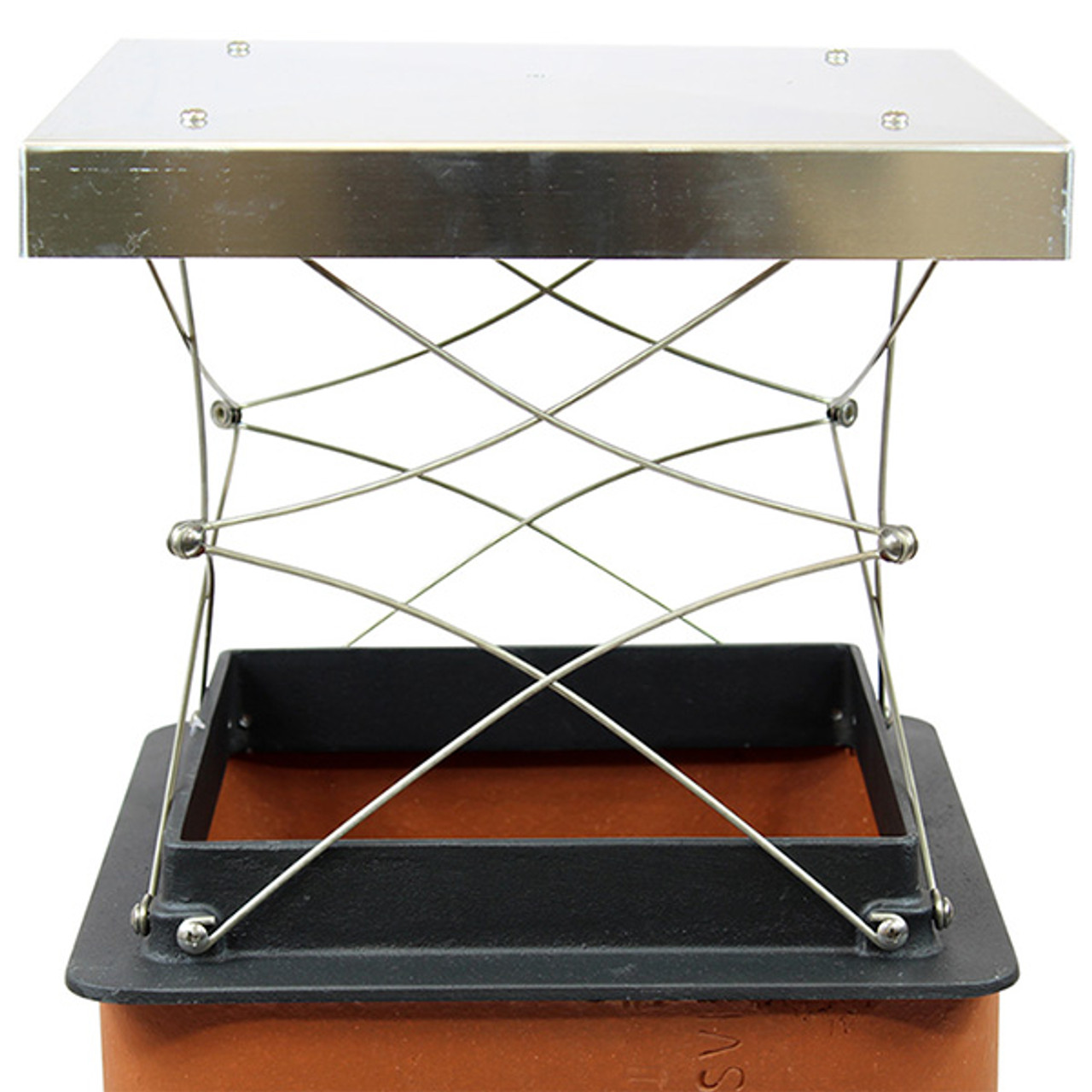
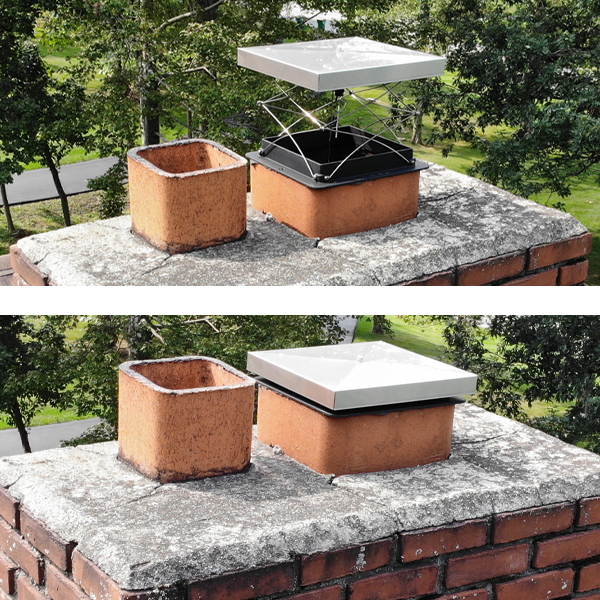
Some chimneys use a top-sealing damper instead. These are installed at the top of the chimney and operated by a cable inside the firebox. They serve the same purpose but create a tighter seal when closed.
How to Use Your Damper Safely
Before lighting a fire, always check that the damper is fully open. Once the fire is burning, the damper should remain open throughout. It’s not meant to be adjusted to control flame size or heat output.
After the fire has gone out, give the fireplace time to cool completely. Even when flames are gone, embers can continue releasing smoke and carbon monoxide. Once everything is fully cool, closing the damper helps prevent drafts and heat loss.
Why Using the Damper the Right Way Matters
Using your damper properly isn’t simply about comfort; it’s also about safety. A closed or partially closed damper can cause smoke and carbon monoxide to spill back into your home.
Damper position also affects efficiency. Leaving the damper open when the fireplace isn’t in use allows heated or cooled air to escape straight up the chimney. Over time, that can add up on your energy bills.
Improper damper use can also cause creosote buildup, lingering odors, drafts, and difficult-to-start or difficult-to-maintain fires.
When the Damper May Need Professional Attention
If your damper is hard to open or close, shows signs of rust or damage, allows drafts when closed, or contributes to smoke entering the room, it may need repair or replacement. These issues are often found during a professional chimney inspection and are easier to address before they lead to larger problems.
Chimney Solutions Can Help
The damper is a small part of your chimney system, but it has a big impact on how safely and efficiently your fireplace operates. A professional inspection can confirm whether your damper is working properly and help ensure your fireplace is safe to use.