Freeze-Thaw Cycles and Your Chimney: What You Need to Know
Water is not good for chimneys; Freezing water is worse. During a freeze-thaw cycle, water that has penetrated a chimney’s masonry will freeze and expand. When it thaws, it leaves a larger space for the next intrusion of water to freeze and cause greater internal damage. This can happen many times during the winter.
Chimney Solutions serves homeowners in the Atlanta, GA, and Chattanooga, TN, areas, and we repair chimneys damaged by freeze-thaw cycles. Here’s what you need to know about this problem.
Signs of freeze-thaw-cycle damage you might miss
As with all types of chimney damage, problems caused by expanding ice aren’t always easy to see at first if you don’t know what you’re looking for.
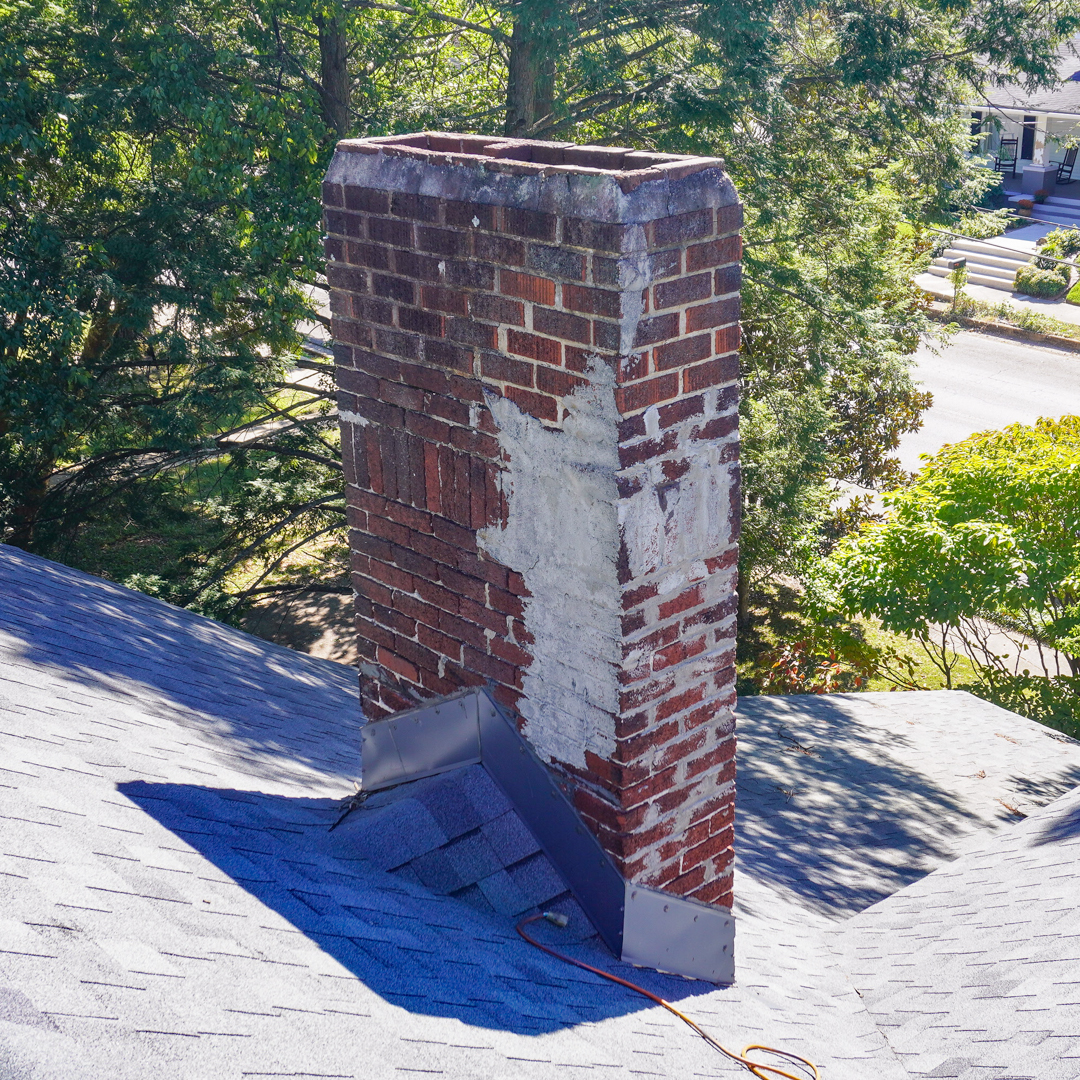
Here are five early signs of damage to watch for:
- Small cracks in the bricks: You can’t see the smallest cracks at ground level. You’ll need to get on a ladder and then on the roof to spot them. If you’re not comfortable doing this, let someone else do it or call a chimney company.
- Crumbling mortar: Brick expansion and cracking can affect the mortar that holds the bricks together. Early stages of mortar decay may not be noticeable from the ground.
- Cracks in the chimney crown: Concrete chimney crowns can also be damaged by expanding ice. When this happens, it can create a path for water to enter the bricks below the crown and start the cycle in the masonry.
- Problems with the chimney flashing: Warped, rusted, or missing pieces of chimney flashing around the exterior chimney where it extends through the roof will let rain and melting snow come into contact with the masonry below the roof. This could lead to damage from frozen water and ongoing brick decay.
- White stains on the exterior masonry: This is called “efflorescence” and happens when water seeps into porous bricks and pushes out brick salts.
Obvious signs of water damage
Long-term chimney damage from freeze-thaw cycles or other causes is hard to miss, no matter where you’re standing.
- Sections of missing or horribly damaged bricks
- Brick and mortar pieces falling into the yard
- White stains all over the chimney
- Leaks in the attic and various parts of the ceiling
- A chimney that tilts to one side
- A chimney that is partially or completely collapsed
Chimney repairs
The first step in addressing a damaged chimney is a thorough inspection by a licensed, certified chimney technician. The inspection will show where the damage is located, how extensive it is, and what needs to be done to resolve it.
Common chimney repairs for chimneys damaged by freeze-thaw cycles include:
- Brick replacement
- Mortar tuckpointing
- Chimney crown repair or rebuilding
- Chimney flashing replacement
Depending on the size of the leak, mold may need to be addressed.
Chimney leak prevention
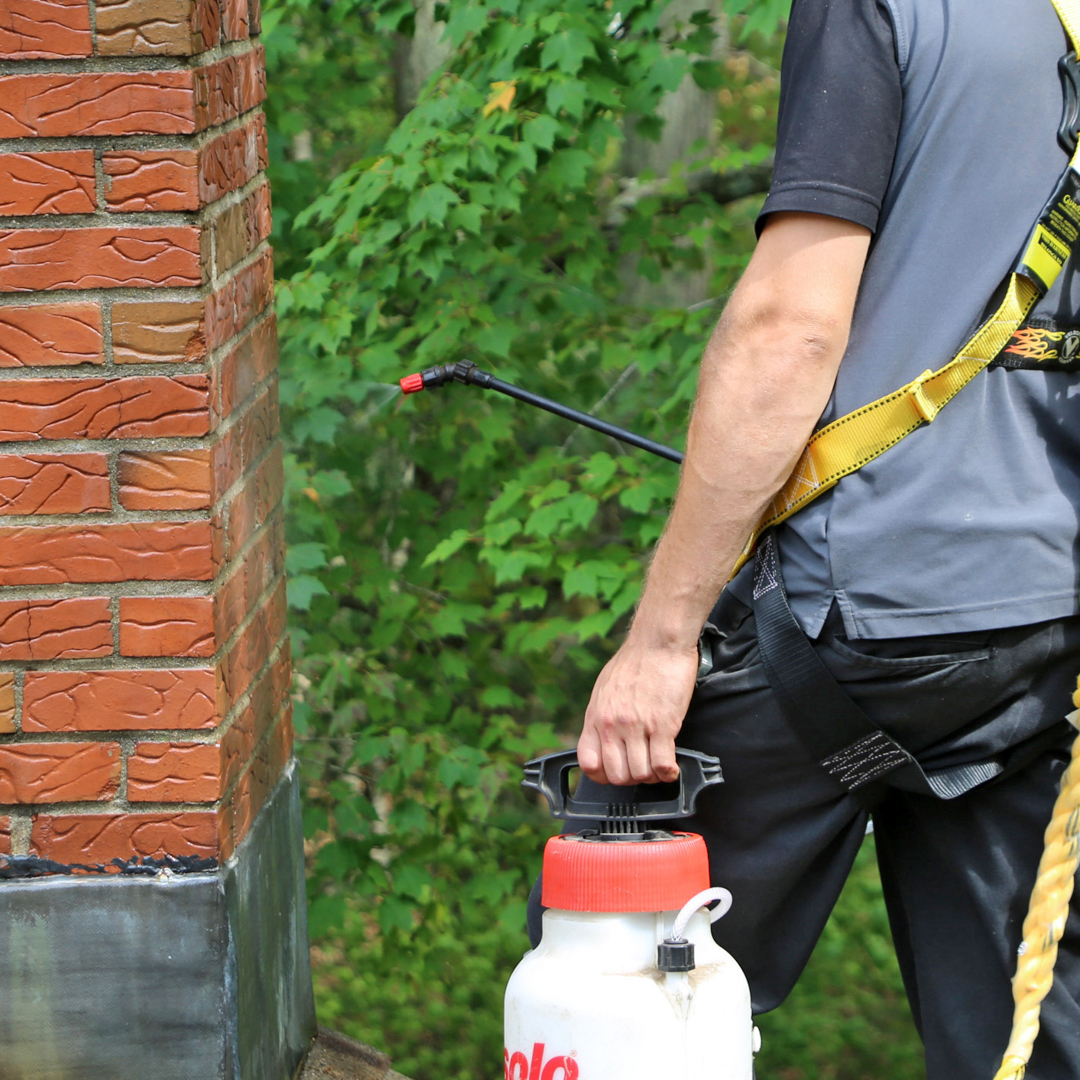
Even the best-built chimneys will eventually weaken and allow water to enter. But early problems aren’t necessarily a call to build a new chimney. After the needed repairs are made, you can have your chimney waterproofed with a strong sealant that will keep water out of places you don’t want it.
Call Your Georgia and Tennessee Chimney Experts
If your chimney has been damaged by intruding and freezing water, Chimney Solutions is ready to get it back into shape. Call us first for chimney repairs, chimney rebuilding, replacement of chimney components, and full-service chimney inspections and cleaning.
Reach a qualified chimney expert by phone or through our handy contact form.