The chimney liner is a vital component of your chimney system, and one that most people overlook. Though it’s hidden, it’s crucial for protecting your home from heat transfer, toxic gases, and structural damage. And, like anything exposed to high temperatures and corrosive byproducts, chimney liners don’t last forever. The question is: how do you know when it’s time to replace yours? Here’s what you should know.
What Does a Chimney Liner Do?
Before diving into replacement signs, it helps to understand the role of a chimney liner. Essentially, the liner creates a protective barrier inside your chimney flue. It safely channels smoke, gases, and combustion byproducts out of your home while shielding the surrounding masonry from heat and corrosion.
Without a properly functioning liner, your chimney becomes a serious fire hazard. Heat can transfer to nearby combustible materials, and dangerous gases like carbon monoxide can seep into your living space.
Common Types of Chimney Liners
There are three main kinds of liners:
Clay tile liners are common in older homes. They’re durable, but prone to cracking over time.
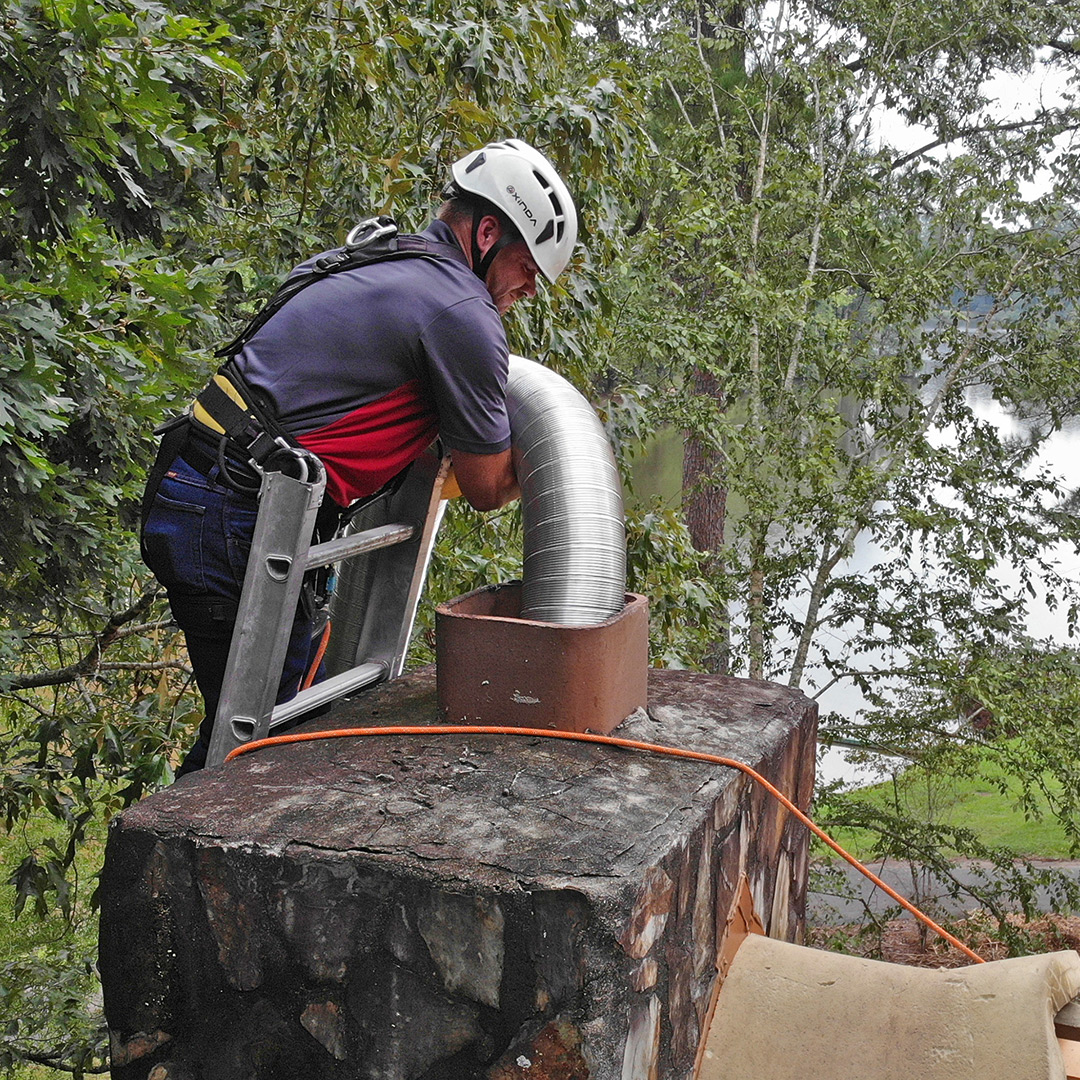
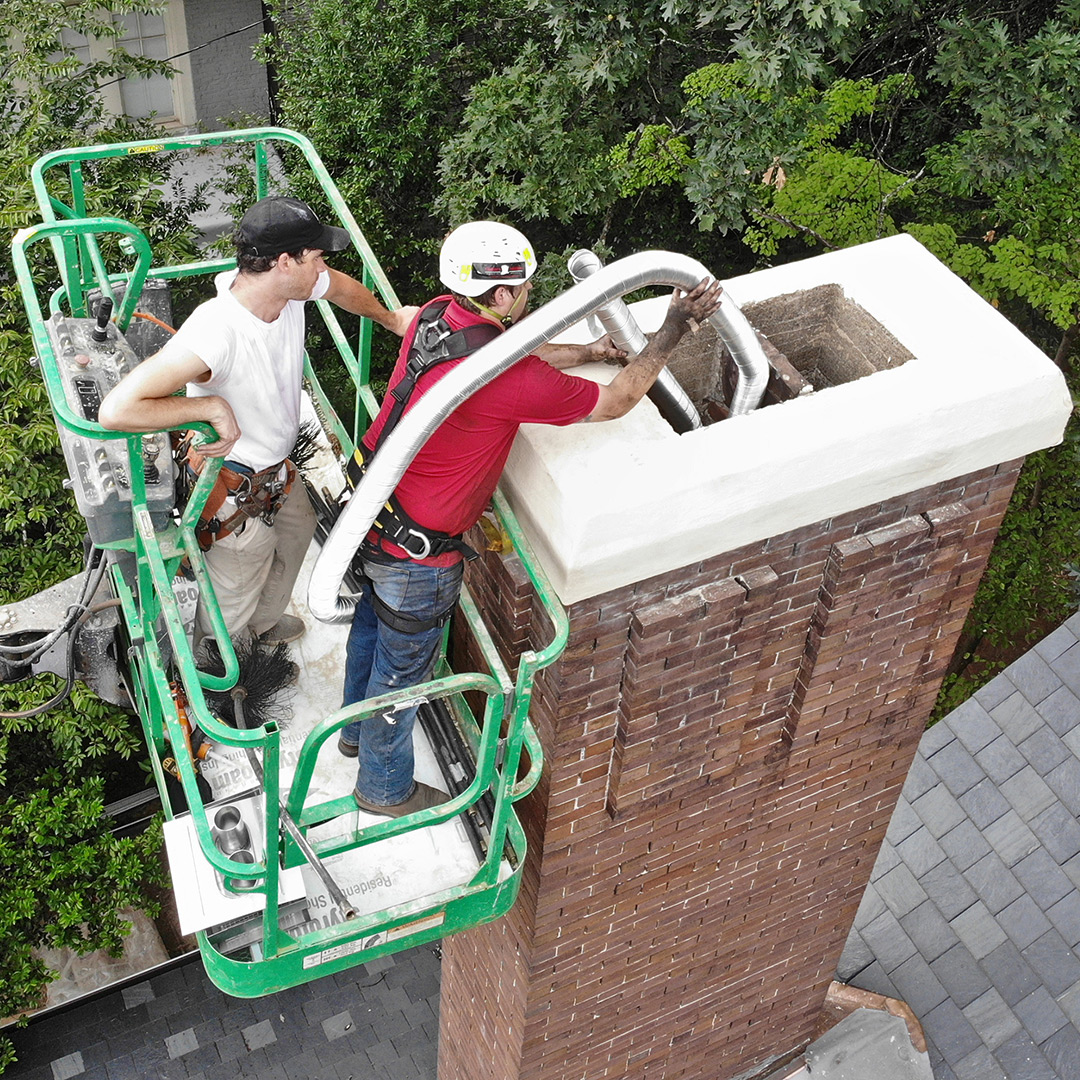
Metal liners are usually made from stainless steel. These are long-lasting and often used for upgrades or replacements.
Cast-in-place liners are made from cement-like materials that create a seamless, insulated lining.
Each type has its own lifespan and vulnerabilities, but all will eventually need attention.
Signs It’s Time to Replace Your Chimney Liner
Cracked or Damaged Flue Tiles
If you have a clay tile liner, cracks are a major red flag. Even small fractures can allow heat and gases to escape into your home's structure. Often, this damage isn't visible without a professional inspection, but pieces of tile in your fireplace or the base of your chimney can be a clue.
Poor Draft or Smoke Issues
If smoke isn’t venting properly and starts entering your home, your liner may be deteriorating or improperly sized. A damaged liner disrupts airflow, making your fireplace less efficient and more dangerous.
Excessive Creosote Buildup
Creosote is a highly flammable substance that builds up inside chimneys. If your liner is rough, cracked, or deteriorating, it can accelerate creosote accumulation. If you’re noticing unusually fast buildup, it may be a sign your liner is no longer functioning properly.
Signs of Moisture Damage
Even if there are no obvious signs of failure, age matters. Clay tile liners can last 50 years or more, but often degrade sooner with heavy use. Metal liners typically last 15–25 years, depending on quality and maintenance. If your liner is nearing the end of its expected lifespan, it’s worth having it inspected.
Why Replacement Is Necessary Sooner Rather than Later
Putting off liner replacement can lead to serious consequences. The most immediate risk is a chimney fire, which can happen when heat escapes through cracks or when creosote ignites. Beyond that, a failing liner can allow carbon monoxide to get into the home.
You also have to worry about structural damage. Over time, heat and moisture can weaken the chimney’s masonry, leading to costly repairs that go far beyond a liner replacement.
Why You Need Professional Installation
Chimney liner replacement isn't a DIY job. You need a pro to assess the chimney, recommend the best liner for your setup, and install it to comply with current safety codes.
Contact Chimney Solutions
If you've noticed any of the above warning signs, or it's been years since your last chimney inspection, call the experts at Chimney Solutions. Our technicians are certified by the Chimney Safety Institute of America, ensuring high-quality work that you can trust. Call us today!