Why You Should Only Burn Seasoned Wood in Your Fireplace
Are you new to owning a fireplace and aren’t sure what wood to use? Maybe you have a fireplace and have been burning wood from your property, because all wood is the same, right? Wrong. All wood is not created equal when it comes to burning in your fireplace, especially if it’s not seasoned (also known as green). Here are some reasons why you should only burn seasoned wood in your fireplace.
What is Seasoned Firewood?
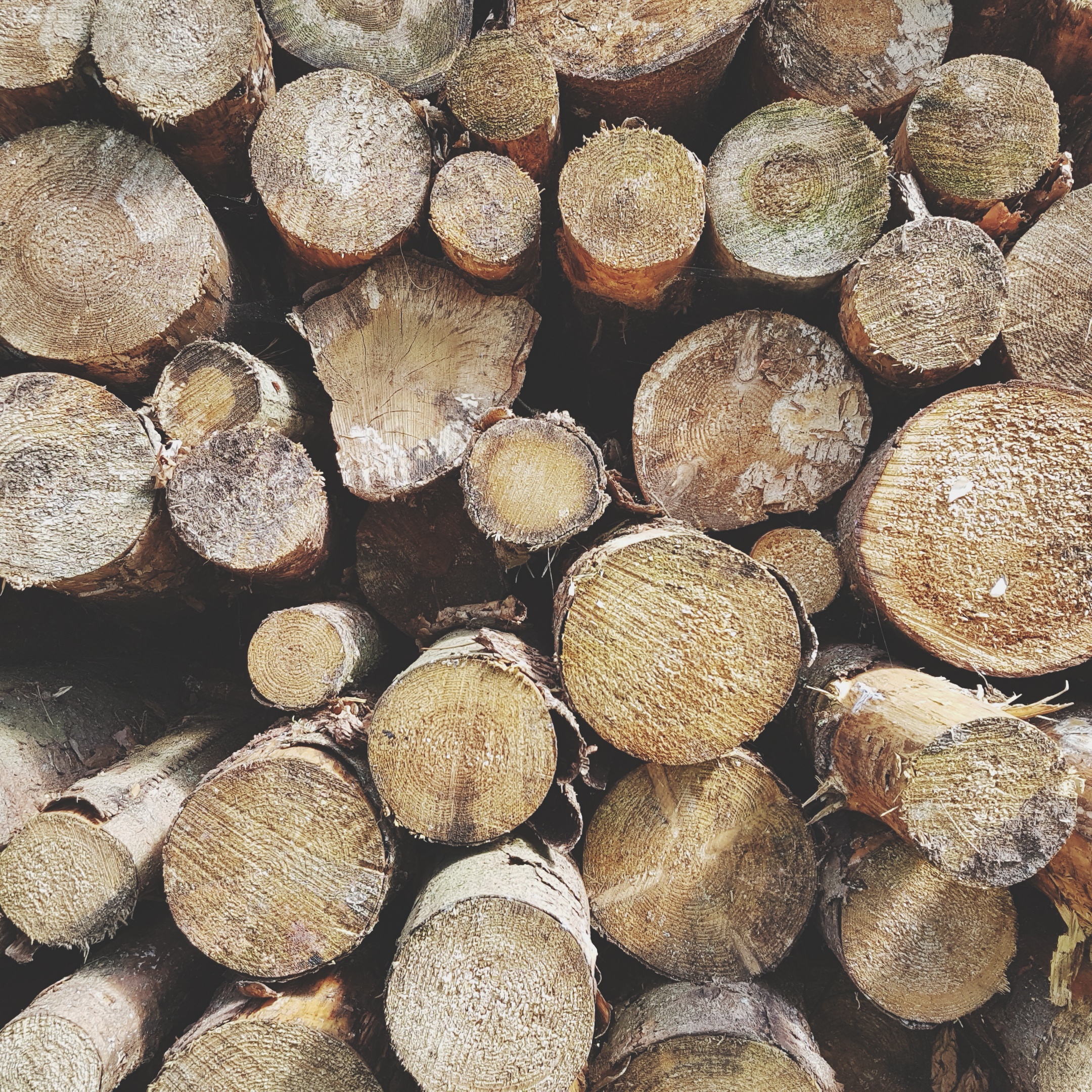
Simply put, seasoned firewood is wood that has dried sufficiently to be used. The time required for wood to dry sufficiently for use ranges from 6 months to 2 years. Wood can be cured either by letting it sit in a stack in a dry area or by placing it in a kiln under carefully monitored conditions to dry out more quickly.
What Happens When You Don’t Use Seasoned Firewood?
Firewood that isn’t seasoned can be laden with moisture, with up to half of its mass being water. When you burn wood with that much moisture, it will produce copious amounts of smoke. The wood is also more likely to crack and pop when it’s wet, which can launch hot embers from the fireplace onto your furniture, carpet, or curtains, creating a clear safety hazard.
Another safety issue caused by using unseasoned (green) wood is creosote buildup. If you are unaware, creosote is a tarry substance that will cling to the inside of your chimney. Each time you burn logs, especially green ones, creosote will build up. The reason this is a significant issue is that creosote is highly flammable. So, as time passes and you continue not to use unseasoned firewood, then a fire hazard builds up in your chimney. If this is a practice you have undertaken, don’t worry, a qualified chimney sweep service can clean the inside of your chimney to remove it. Of course, you should only use seasoned logs after that to minimize buildup, and have your chimney swept once a year.
Unseasoned Firewood is Inefficient
It makes sense that damp firewood will not burn readily or for very long. The fire won’t burn very hot; most of the energy will be lost as steam, meaning that a home won’t be heated very well by the fireplace. In turn, you will end up with higher heating bills in the winter. Instead of settling down in front of a fire, you will spend most of your time trying to keep it going. Not only will the experience be frustrating, but it will also be costly.
How Do You Know If Your Firewood Is Seasoned Enough for Use?
There are a few ways to tell if your firewood is ready for use. The least effort is to purchase it from an established firewood dealer. Hardware and some grocery stores also have ready-to-use firewood. Another way is the do-it-yourself route, where you stack firewood in a dry place and let it sit for at least six months. As we mentioned earlier, you can also use a kiln to dry the wood consistently, so it dries the same every time.
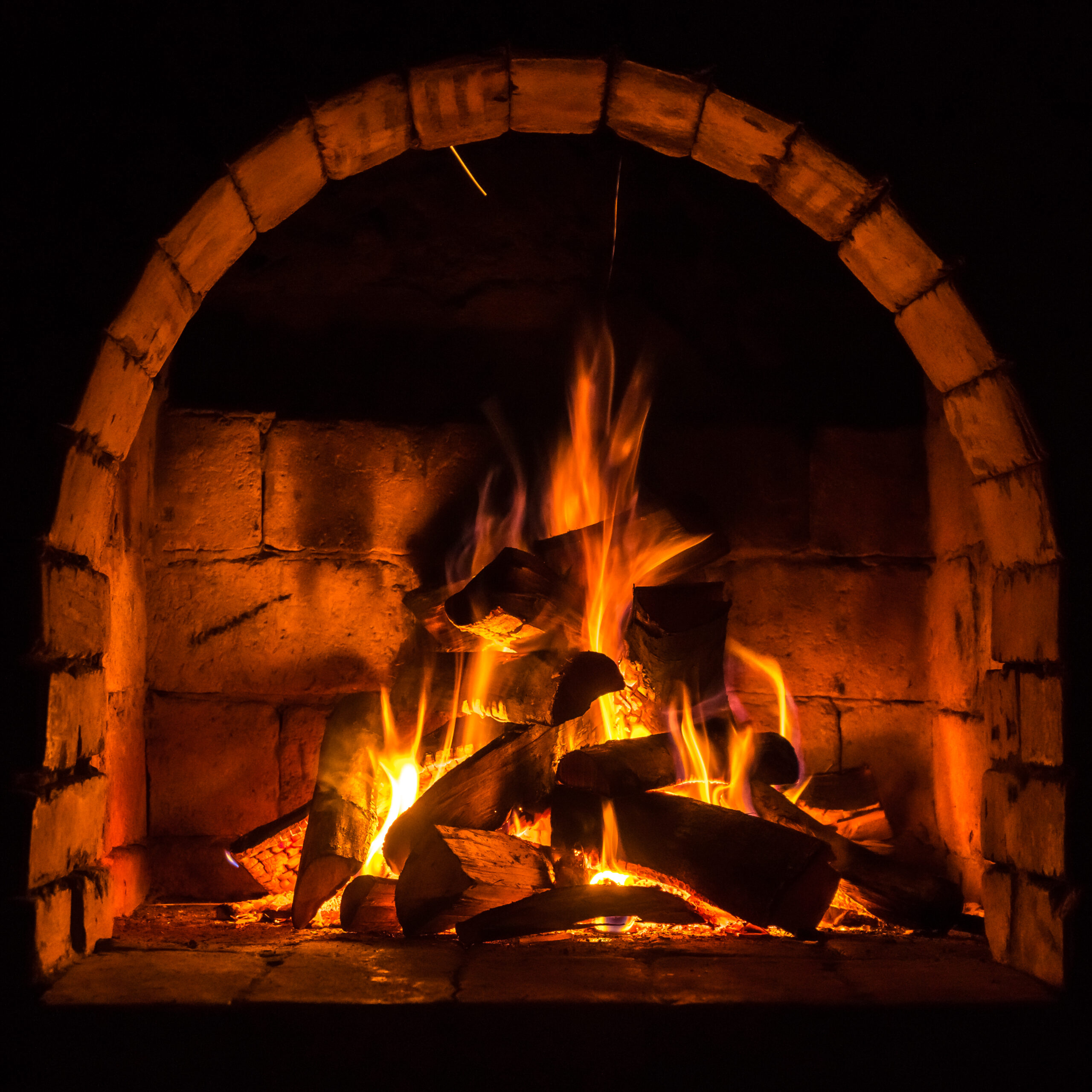
What Kind of Firewood Should You Burn in Your Fireplace?
Hardwood is always the best for use in your fireplace, specifically the following:
Maple
Maple is heavy, burns steadily, and smells great.
Oak
Oak is the most commonly used firewood because of its abundance and slow-burning properties. Be sure that the oak you use has dried for at least a year or use a kiln to dry it thoroughly. It may take a little longer to light, but it also gives you a long-lasting fire.
We Know Fireplaces and Chimneys
If you are in the Chattanooga area and want advice about your fireplace, or you are seeking to have it cleaned and inspected, contact Chimney Solutions today. We will be happy to answer all your questions and schedule a cleaning and inspection.