Common Causes of Chimney Fires and How to Prevent Them
Fireplaces are wonderful. They hearken back to older, simpler times. And when was the last time you heard about spending a relaxing or romantic evening around the furnace?
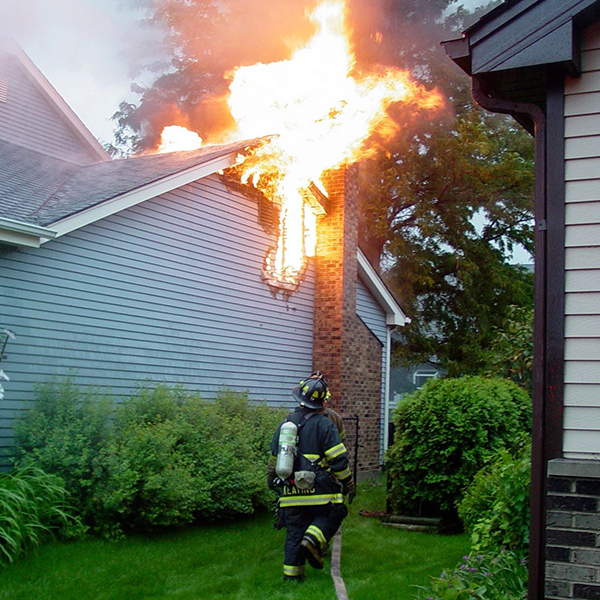
However, here’s the deal: despite their beauty, atmosphere, and nostalgia, they can be extremely dangerous. Chimney fires can start suddenly, burn intensely, and cause devastating damage, and many chimney fires go unnoticed.
According to the National Fire Protection Association (NFPA), the leading contributor to home heating fires was a dirty chimney.
So, let’s look at why chimney fires happen and how you can prevent them to keep your family and home safe.
Common Causes of Chimney Fires
Creosote Buildup
The number one cause of chimney fires is creosote buildup. Creosote is a byproduct of burning wood. It starts as a flaky powder and eventually grows into a thick, sticky substance that lines the flue walls. Creosote is highly flammable, and once it builds up, it can ignite from a single spark or ember. Creosote forms more quickly when:
- You burn unseasoned or damp firewood.
- The fire burns slowly or smolders instead of burning hot.
- The chimney is poorly ventilated.
When creosote ignites, it burns extremely hot and can reach temperatures of over 2000° F, which is hot enough to crack flue tiles, warp metal liners, or spread fire to the walls in the home.
Burning Improper Materials
Too many homeowners treat their fireplace like a garbage disposal, burning cardboard, wrapping paper, painted wood, or trash. This is a dangerous mistake. These materials burn at unpredictable temperatures, can release harmful chemicals, and produce sparks that ignite creosote deposits.
The number one rule is: only burn dry, seasoned hardwoods like oak, maple, or ash.
Blocked or Obstructed Chimneys
A chimney blocked by debris can quickly lead to a disaster. Birds, squirrels, and other small animals often build nests in the flue, while leaves and twigs can accumulate over time. When airflow is restricted, heat and smoke can’t vent properly, increasing the risk of chimney fires and carbon monoxide buildup in the home.
In some cases, the blockage itself (like a nest) can ignite, creating a fire inside the flue.
Damaged or Deteriorating Chimney Liners
The chimney liner is like a protective inner sleeve that sits between the chimney and your home’s structure. If it’s cracked, corroded, or damaged, heat and sparks can escape and ignite the surrounding walls. A compromised liner also allows creosote to build up more quickly and unevenly, making hot spots more vulnerable to ignition.
Wear and tear like this are common in older homes that haven’t gotten regular chimney inspections or repairs.
Overheating the Fireplace
Many homeowners think the bigger the fire, the better. But overloading the fireplace with too much wood or using accelerants like lighter fluid can make the fire too intense for the chimney to handle safely. The excess heat can ignite creosote, damage the liner, and crack the masonry.
The fire should burn steadily and cleanly, not uncontrollably.
How to Prevent Chimney Fires
Schedule an Inspection
The NFPA recommends getting a chimney inspection once a year by a certified chimney sweep. A trained technician can identify buildup, cracks, or blockages you might not be aware of. The sooner you get minor issues fixed, the less chance they’ll worsen and require expensive repairs or rebuilds.
Clean the Chimney Regularly
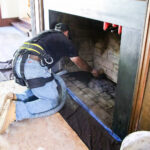
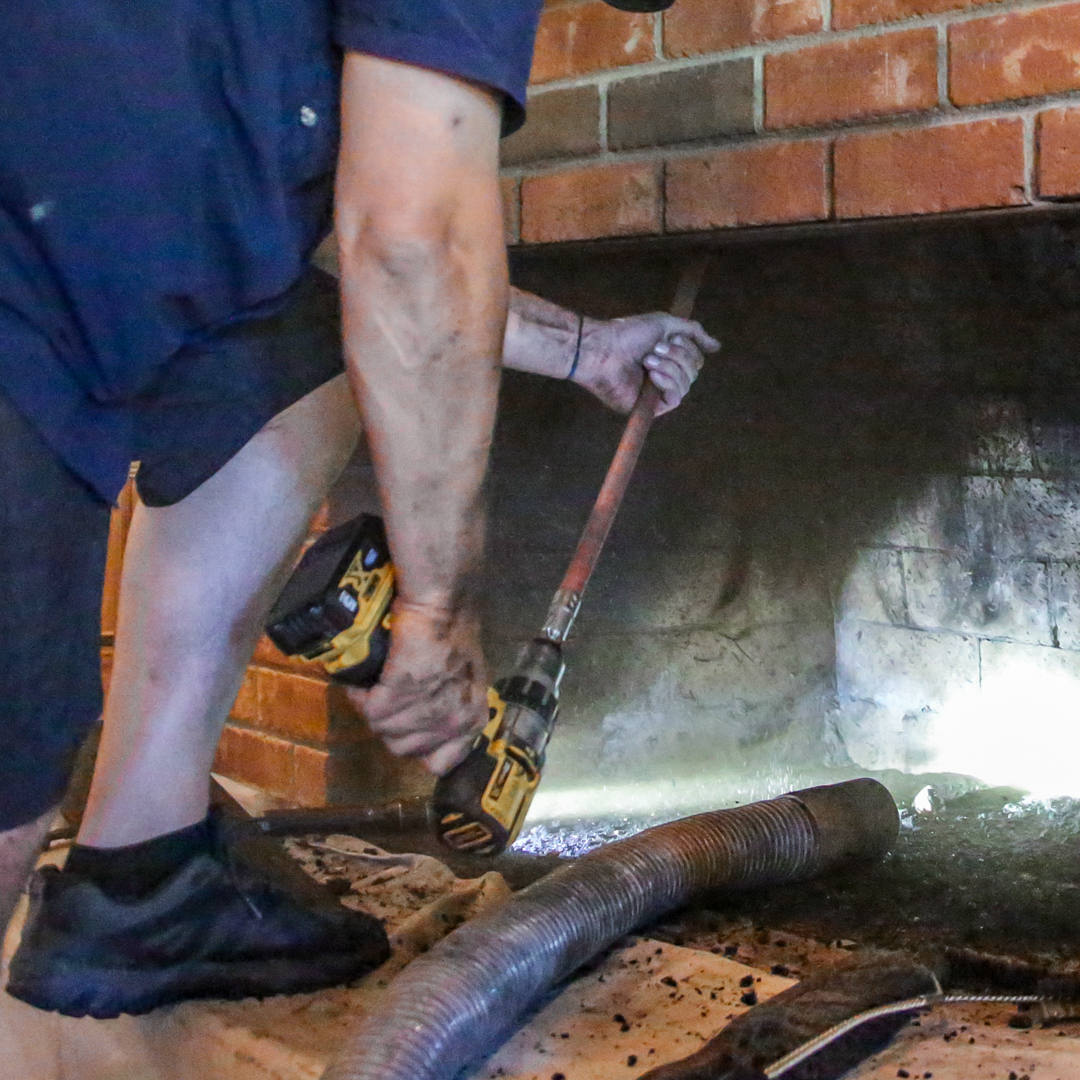
Like inspections, the chimney should be professionally cleaned at least once a year, or twice if you use it regularly, especially if you’re in the habit of burning green firewood. Professional sweeps use special brushes and vacuums to remove creosote, soot, and debris—the main causes of chimney fires.
Burn Only Seasoned Firewood
Moisture in green (unseasoned) firewood creates more smoke, which leads to faster creosote buildup. Always let your firewood dry for six months to a year before burning, and store it in a dry, elevated location. The best woods to burn are hardwoods, like hickory, maple, or oak.
Install a Chimney Cap
You have a chimney cap, right? No? Well, chimney caps are an indispensable and inexpensive way to protect your chimney. These devices, while not looking like much, are crucial for preventing animals and debris from getting in. Some caps can also prevent sparks and embers from escaping and landing on the roof or nearby trees.
Watch for Warning Signs
Be aware of signs of creosote buildup or chimney trouble, like:
- Loud cracking or popping noises while burning.
- Dense, dark smoke.
- A strong, hot odor from the fireplace.
- Bits of dark residue falling into the firebox.
If you see any of these, stop using the fireplace and call a chimney professional immediately.
Chimney Cleaning and Inspection Isn’t a DIY Project!
Call the pros at Chimney Solutions in Chattanooga. From cleaning to inspections to repairs and more, we do it all. Our technicians are certified by the Chimney Safety Institute of America and the National Fireplace Institute, so you can trust our work to be solid. Visit our showroom or contact us today!